
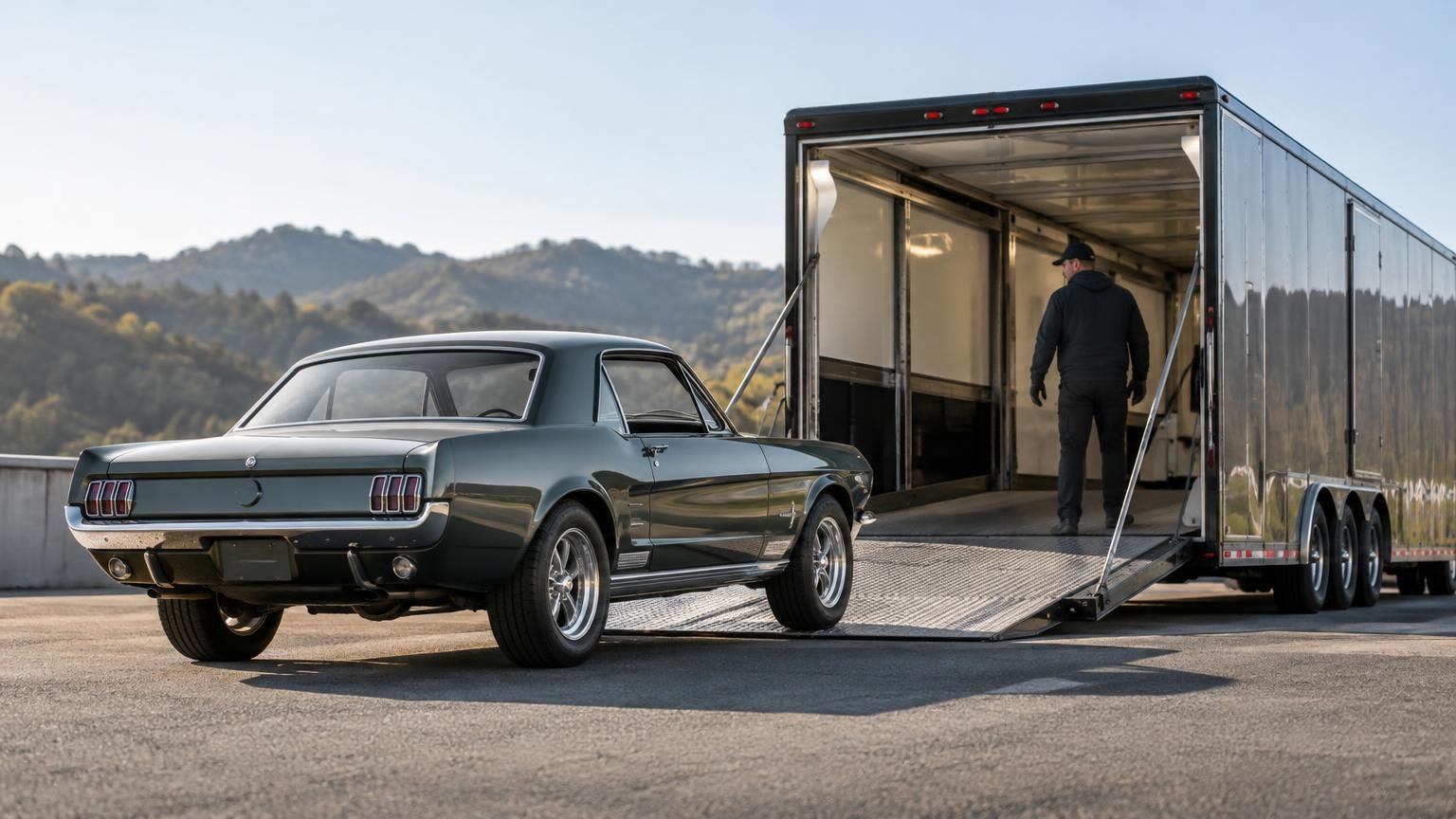
Luxury Vehicle Transport for Exotic and Classic Cars
Practical guides to carrier choice, transport methods, preparation and inspection for exotic, classic, collector and other high-value vehicles.
Protect the car, the transaction, and the handoff
Moving a valuable vehicle is not routine freight. Luxury Vehicle Transport helps owners and buyers understand how enclosure, loading geometry, carrier arrangements, insurance terms, timing, and documentation affect risk when an exotic, classic, collector, or modified car moves. The right setup begins with the vehicle’s condition, value, clearance, route, and reason for moving.
A shipment from an auction may depend on release paperwork and pickup windows, while a move between storage and service may turn on battery condition, alarm instructions, ground clearance, or access for a large transporter. This publication focuses on the details that change the decision rather than treating every high-value car alike.
It covers ways to compare open and enclosed transport, clarify who is responsible for the move, prepare useful condition records, and read insurance language carefully. The practical aim is to know what to ask before booking, what to document at pickup, and what to inspect at delivery.
Latest transport guides
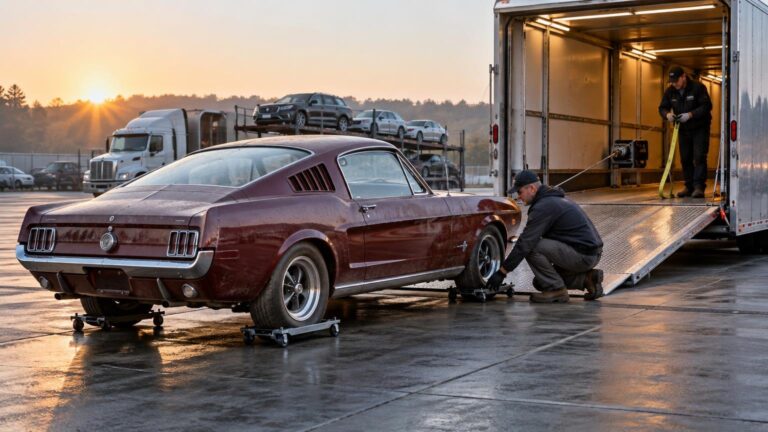
Shipping a Non-Running Collector Car: What the Carrier Needs to Know
A non-running collector car needs more than an “inoperable” label. Disclose its rolling, steering and braking condition, leaks, loose parts,…
Read more
Open vs Enclosed Car Transport: When Is Enclosed Shipping Worth It?
Enclosed transport is usually worth considering when cosmetic damage, limited clearance or a deadline-sensitive delivery would carry serious consequences. For…
Read more
How to Prepare a Collector Car for Enclosed Transport
Prepare a collector car for enclosed transport by matching the trailer and loading equipment to the vehicle, documenting its condition,…
Read more
How Much Does It Cost to Ship an Exotic or Luxury Car?
Exotic and luxury car shipping prices depend on the route, trailer, vehicle clearance, timing, access, handling requirements, and applicable cargo…
Read more
How Much Insurance Should a Vehicle Transport Company Carry?
The right insurance limit depends on your vehicle’s value, the value of the full trailer load, and the actual carrier’s…
Read more
How Vehicle Transport Companies Should Brand Their Trucks and Trailers
A practical guide to readable carrier identification, restrained fleet branding, trailer safety zones, decals, and customer verification.
Read moreStart with the vehicle-specific constraints
Before comparing price, write down the car’s actual value, running condition, dimensions, ground clearance, modifications, fluid concerns, and pickup and delivery limitations. Then ask how the proposed equipment and loading plan address those facts. A lower quote is not a useful bargain if important assumptions remain vague or the arrangement does not fit the car.
Keep the transaction visible from first contact through final inspection. Confirm the parties involved, written terms, communication path, release requirements, condition record, and delivery procedure. When something is unclear, resolve it before the vehicle is loaded; careful questions are easier and less costly than reconstructing expectations after a disputed handoff.